Last Updated: April 8, 2026
Americans generate more than 1.6 million tons of household hazardous waste (HHW) per year — equivalent to the weight of 16 average-sized cruise ships. Yet most people have a cabinet, garage shelf or basement corner where they store remnants of past projects and other materials they don't want to think about: a half-used can of paint, an old bottle of drain cleaner, leftover pesticides from last summer, empty propane cans and similar items. This waste will often sit for months or even years, because the majority of us are not quite sure what to do with it.
The primary challenge of dealing with HHW is understanding what your disposal options are. Most people know they should not throw it in the normal trash, but they don't know where to take it, so it builds up and accumulates.
What Is Considered Household Hazardous Waste?
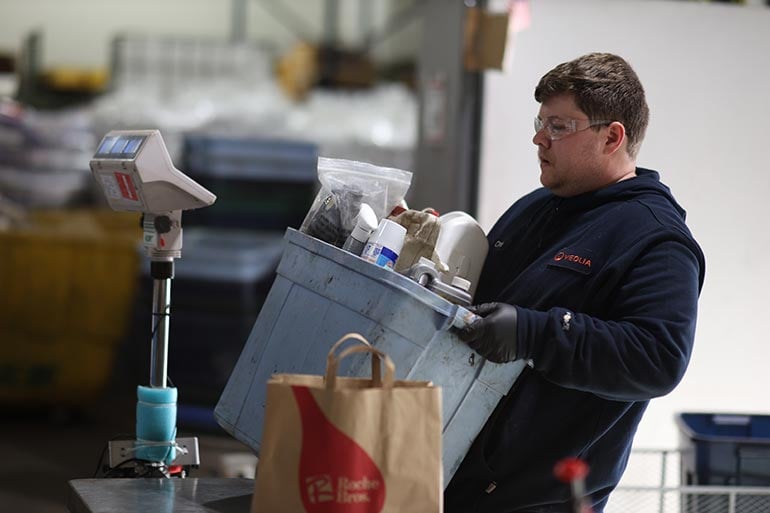
The United States Environmental Protection Agency (EPA) considers HHW to be any leftover household products that can catch fire, react or explode under certain circumstances, or that are corrosive or toxic. Although they are typically everyday items, they carry serious risks if not dealt with properly. Common examples include:
- Fluorescent lamps
- Propane tanks
- Latex and oil-based paint
- Computer components and electronics
- Stereos, VCRs and televisions
- Batteries (including lithium-ion)
- Mercury thermostats
- Household cleaners
- Pool chemicals
- Insect sprays, herbicides and pesticides
- Prescription medications
- Adhesives, stains and finishes
- Electronic cigarettes and vape devices
These types of wastes often remain stored in homes until residents either move out or eventually do an extensive clean out and remove all items at once.
Why Proper HHW Disposal Matters: Environmental and Health Risks
There are serious consequences if HHW is not handled correctly. When hazardous waste is thrown away in the trash, it typically ends up in landfills where it can leach toxic chemicals into soil and groundwater. If harmful liquids are poured down drains, on the ground or into storm sewers, they can contaminate septic tanks and treatment systems and enter the water supply.
When stockpiled at home, HHW poses fire, poisoning and chemical exposure risks, particularly for small children and pets. Many of these materials are also ozone depleting, contribute to air pollution when incinerated incorrectly and can react dangerously when mixed together.
The question is, what can you do with this type of waste to prevent accidents or dangerous situations? HHW is generally regulated on the state and local level, with different rules in different jurisdictions, so it’s important to recognize the steps and guidelines in your particular area. Usually, the best method for getting rid of HHW is to take it to community collection centers or events.
What HHW Collection Programs Look Like
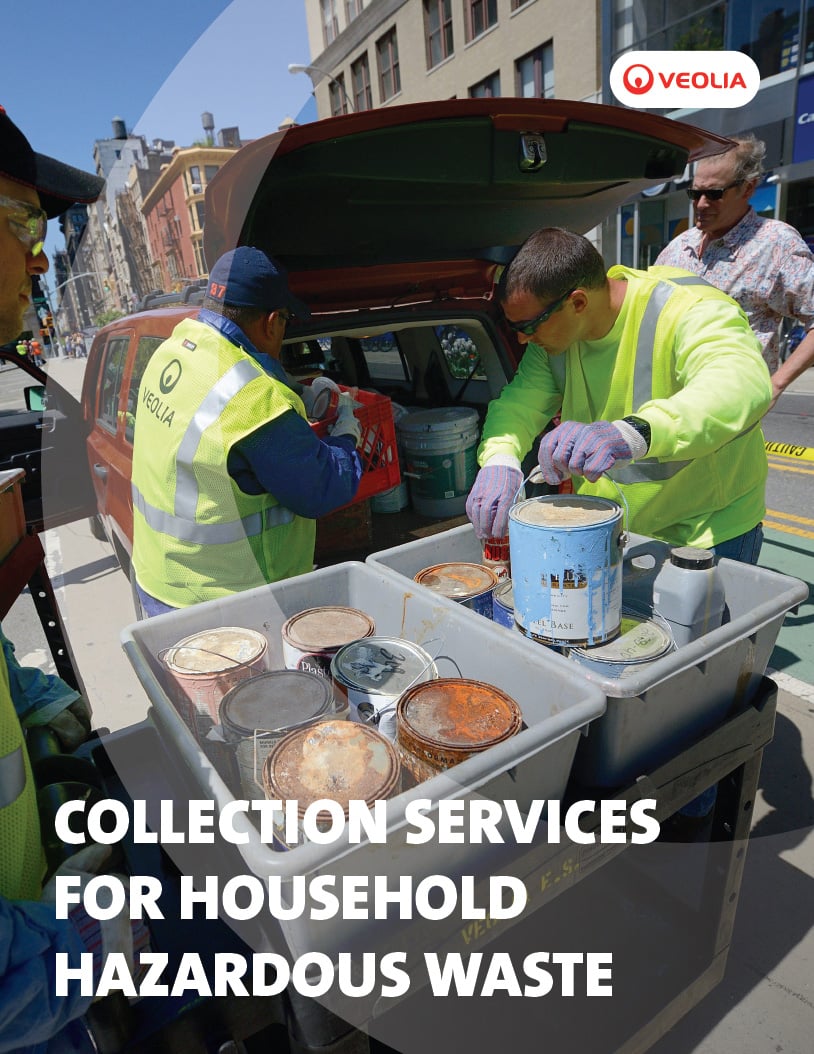
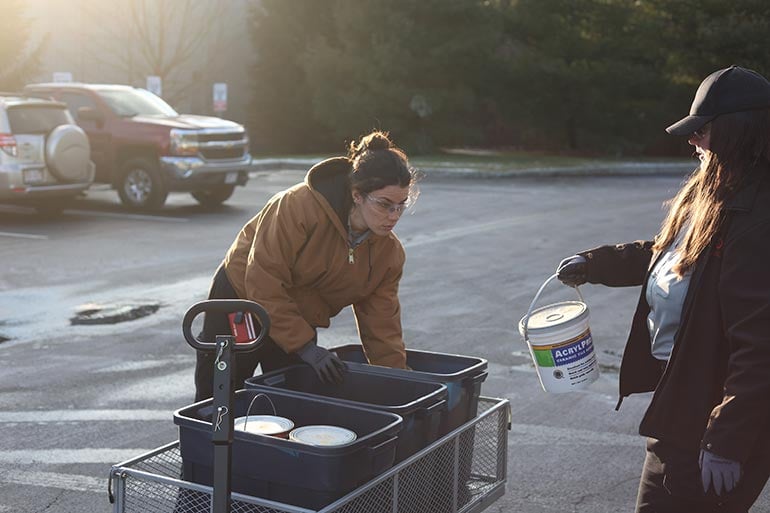
Local HHW collection has become a key part of community environmental initiatives across the country. Although some municipalities and waste service providers operate year-round permanent collection locations, the most common type of program is a scheduled drop-off event, often held in a municipal parking lot or fairground. Residents bring their unwanted hazardous materials on a specific date, where trained personnel complete all sorting, labeling, packaging and eventual transport for proper recycling or disposal.
In Colorado, the Boulder County hazardous material management facility serves as a permanent HHW drop-off site and also invites residents to explore free reusable products. Instead of purchasing new products, residents are encouraged to visit the facility, which has free materials including auto, hobby, garden and yard, home maintenance and cleaning products available.
There’s also plenty of collection options through companies. For example, electronics retailers such as Best Buy provide consumers with free electronics recycling options. Since its establishment in 2009, this program continues to be one of the largest e-waste collections in the United States, recycling over 2 billion pounds of electronics and appliances to date.HHW collection isn't limited to urban centers. Agricultural communities often host "clean sweep" events targeted at farmers dealing with pesticide containers, obsolete chemicals and other agricultural waste products. Rural communities have unique challenges given the distances involved and the types of materials generated, and programs in these areas are customized accordingly.
Organizing Household Hazardous Waste Collection
Behind many of these programs — from one-day events to permanent facilities — are specialized waste management companies. They offer the logistical, regulatory and technical expertise to run them safely, efficiently and effectively, including:
- Setting up the event by helping local governments select the site and publicize it
- Collection site setup and traffic control
- Unloading, segregating and classifying waste
- Correctly packaging and labeling waste
- Handling transportation, recycling and disposal of collected hazardous materials
Household Hazardous Waste: An Evolving Waste Stream
As technology advances, items in the HHW stream are also constantly evolving. Materials such as oil-based paint are decreasing in some regions as demand lessens, while lithium-ion batteries are on the uptick as more products such as power tools, cell phones and laptops utilize rechargeable and extended-life features.
In 2019, the United States Drug Enforcement Administration expanded its "National Prescription Drug Take Back Day" to include the drop-off of electronic vaping devices and cartridges, but only if the lithium-ion batteries are removed first.
How to Find a Program Near You
Most HHW collection programs are organized at the county or municipal level. If you're a resident with household hazardous waste to dispose of, the best place to start is your local government's public works or environmental services department, which will typically publish a schedule of upcoming collection events. The EPA also maintains resources to assist residents with locating options near them.
Until you're able to bring waste to a disposal center or event, the most important thing you can do is avoid throwing it away in the regular trash or down the drain. Store materials in their original containers in a well-ventilated area away from heat sources, and keep an eye out for the next collection event.
For communities looking to start or expand an HHW program, partnering with an experienced waste services provider will significantly reduce the burden on local governments and help ensure compliance, avoid environmental harm and keep communities safe.