Canadian municipalities are facing five simultaneous, unprecedented challenges that have fundamentally changed how they must operate: (1) aging infrastructure requiring billions in renewal investment, (2) climate change causing extreme weather events and operational disruptions, (3) increasingly complex and evolving regulations, (4) rapid technological advancement requiring specialized knowledge and (5) increasing rates of retirement among experienced workers creating knowledge gaps. These forces are converging at once, exasperating the operation and management of municipal water systems. Cities are adapting by partnering with specialized external advisors who provide focused expertise across multiple domains, from climate adaptation and asset management to cybersecurity and workforce planning, rather than trying to build every capability in-house. This shift represents a practical evolution when it comes to Canadian municipal water infrastructure challenges and solutions for the 21st century.
Twenty years ago, managing municipal water and wastewater systems was fairly straightforward. Across Canada, municipalities hired engineers to design pipes, operators to run treatment plants and accountants to track the budget. The job was technical, but the challenges were predictable.
Today, that world has changed.
Cities across Canada are facing a convergence of challenges that would have seemed impossible a generation ago
- Aging infrastructure that requires billions in repairs or replacement
- Climate change resulting in more frequent extreme weather events
- New and emerging issues that have lead to or will leading to new regulations
- Technology advancing at an unprecedented pace
- A silver tsunami occurring with experienced workers retiring as the sector struggles to bring new talent on board
These aren't separate problems that municipalities can tackle one at a time. They're all happening at once, creating a level of complexity that's testing every city across the country.
The old playbook doesn't work the same way anymore. It's not that municipalities lack capable people— they have dedicated, skilled staff working hard every day. The challenge is that the job itself has fundamentally changed. What's shifting is how cities respond when the problems require expertise that no single organization can maintain across every domain.
Challenge One: Canadian Municipal Infrastructure That's Running Out of Time
The infrastructure under Canadian streets was built for a different era. Many systems were installed 50 to 100 years ago when cities were smaller and demands were lighter. Those systems are now being pushed harder than ever, and they're showing their age.
Cities need billions in renewal investment just to maintain current service levels. Every year of delay makes the problem more challenging and the repairs more expensive. But here's what makes this different from a simple maintenance backlog: municipalities now need to make decisions that will affect service delivery for the next 50 to 100 years.
That kind of planning requires sophisticated analysis:
- Scenario modeling for different investment levels
- Risk assessment across thousands of assets
- Stakeholder engagement on multi-generational decisions
- Lifecycle cost analysis for replacement options
- Financial forecasting that balances renewal, growth and affordability
When a major pipe breaks, the immediate response is to fix it. But deciding which pipes to replace before they break, how to prioritize thousands of assets with limited budgets and how to balance renewal against growth — those decisions require specialized expertise that goes beyond day-to-day operations.
Municipalities are responding by working with advisors who specialize in asset management and long-term infrastructure planning. These experts help cities develop frameworks aligned with international standards, conduct comprehensive condition assessments and implement risk-based decision-making that optimizes limited capital budgets.
Challenge Two: Climate Change Rewriting the Rules
Water systems were designed for historical weather patterns: Average rainfall, predictable seasons, stable temperatures. That stability is shifting.
Climate change isn't a future threat; it's reshaping operations right now. The 2013 Calgary flood caused between $5 and $6 billion in damage. In British Columbia, the 2021 floods damaged treatment plants, cut off highways and left thousands without clean water.
Municipalities are now planning for conditions they haven't had to consider before:
- More frequent intense storm events
- Extended drought periods
- Coastal saltwater intrusion into freshwater systems
- Thawing permafrost affecting buried infrastructure in the North
- Greater variability in river flows and water availability
The challenge goes beyond responding to individual events. Cities need long-term adaptation strategies that account for climate projections, evaluate options and integrate climate considerations into every major decision. This requires specialized knowledge that combines climate science, engineering, risk assessment and financial planning.
Most municipalities don't have climate adaptation specialists on staff. When a city needs to decide whether to upsize storm sewers, relocate treatment plants or invest in green infrastructure, the expertise required is highly specialized and constantly evolving.
Cities are increasingly working with climate advisors who help assess vulnerabilities, develop adaptation strategies and integrate climate resilience into long-term planning. These specialists bring experience across multiple jurisdictions and access to climate modeling tools that help municipalities make informed decisions about infrastructure that will serve communities for decades.

Challenge Three: Regulations That Keep Evolving
The regulatory environment for water and wastewater has become considerably more complex. Provincial and territorial regulations vary substantially, and environmental legislation continues evolving to address issues such as microplastics and PFAS.
Keeping up with changing requirements has become increasingly demanding:
- Ontario's Safe Drinking Water Act requires detailed operational plans
- Environmental discharge permits need increasingly detailed technical submissions
- Water taking permits face growing scrutiny as competing demands strain supplies
For municipalities, this creates ongoing demands. Staff who were hired to operate treatment plants now spend considerable time on documentation, reporting and compliance management. When regulations change — and they do regularly — cities must quickly understand new requirements and adjust operations accordingly.
The stakes are significant: enforcement actions and penalties, public health considerations, reputational concerns and operating permit challenges all require careful attention.
Challenge Four: Technology Advancing at an Unprecedented Pace
Digital transformation is reshaping how cities manage water systems. The technology landscape continues expanding to include supervisory control and data acquisition (SCADA) systems for real-time monitoring, advanced metering infrastructure (AMI), geographic information systems (GIS), asset management software, customer portals, cybersecurity tools and data analytics platforms.
Each technology offers benefits — better efficiency, lower costs, improved service. But each also requires expertise to select, implement and maintain. The vendor market is crowded. Integration between systems can be complicated. And the implications of technology decisions can affect operations for decades.
Cybersecurity has emerged as an important concern. Water systems are critical infrastructure and they're increasingly connected to networks that need protection. Municipalities need to safeguard against evolving threats but few employ cybersecurity specialists who understand both IT security and water operations.
Data management presents another opportunity and challenge. Modern systems generate enormous amounts of data, but turning that data into useful information requires:
- Governance frameworks that define data ownership and standards
- Quality programs that ensure accuracy and reliability
- Analytics capabilities that transform data into actionable intelligence
- Ongoing staff training and development
The technology landscape evolves quickly. Even large cities with substantial IT departments find it challenging to stay current across all areas. Smaller municipalities face additional challenges — they need modern systems to remain efficient, but navigating technology decisions requires specialized expertise.
Cities are increasingly needing technology advisors who help develop digital strategies, evaluate solutions and manage procurement processes. These advisors bring vendor-neutral perspectives and market knowledge that help municipalities make informed technology choices and implement systems effectively.
Challenge Five: The Workforce Transition
Across Canada, experienced water system workers are retiring. They are operators who've run treatment plants for 30 years, engineers who know the history of every major system component and managers who've built relationships with regulators and communities over decades.
Municipalities are working hard to manage this knowledge transition. The water sector is experiencing what some call a "silver tsunami" — a significant wave of retirements creating workforce transitions across the country.
Attracting and retaining water professionals workers is a challenge:
- New operators need certifications that take years to complete
- Training on increasingly complex systems requires significant investment
- Building the judgment that comes from experience takes time
- Municipalities compete for talent in competitive labor markets
The challenge goes beyond recruitment. Cities are focusing on:
- Succession planning for critical roles
- Knowledge transfer programs that capture expertise
- Training strategies for evolving technologies and practices
- Recruitment and retention programs that attract talent
Workforce planning has become increasingly strategic. Many municipalities are working with organizational advisors who help develop workforce plans, design knowledge transfer programs and create recruitment strategies. These specialists bring experience in change management and organizational development that helps cities navigate workforce transitions while maintaining operational continuity.

When Everything Happens at Once
Here's what makes this moment uniquely challenging: these five forces aren't taking turns, they're all pressing on municipalities simultaneously.
Consider what a typical city is managing. They're planning infrastructure renewal that must account for climate adaptation. They're meeting evolving discharge requirements with aging treatment plants during workforce transitions. They're exploring new water sources while navigating Indigenous consultation, environmental assessment and public engagement. They're implementing new technology while maintaining cybersecurity and managing budgets. And they're training new staff on systems that continue evolving.
The complexity has reached a point where even well-run cities with capable staff recognize they benefit from specialized expertise across multiple domains. The knowledge required is diverse. The pace of change is significant. The implications of decisions are far-reaching.
This isn't about municipalities lacking competence. It's about the job itself becoming more specialized and complex than any single organization can master across every area.
How Canadian Cities Are Adapting
Across Canada, municipalities are evolving how they approach these challenges. Rather than trying to build every capability internally, they're increasingly working with specialized advisors who bring focused expertise, fresh perspectives and experience across multiple jurisdictions.
This shift represents a practical evolution in how cities operate. Twenty years ago, municipalities relied primarily on engineering consultants for design and construction. Today's advisory landscape is more diverse, encompassing strategic planning and climate adaptation, financial modeling and rate studies, regulatory compliance support, organizational development and workforce planning, digital transformation and cybersecurity, and asset management program development.
The advisory relationship has evolved from one-time projects to ongoing partnerships. Leading municipalities now view advisors as extensions of their teams, engaging them for continuous support rather than isolated assignments.
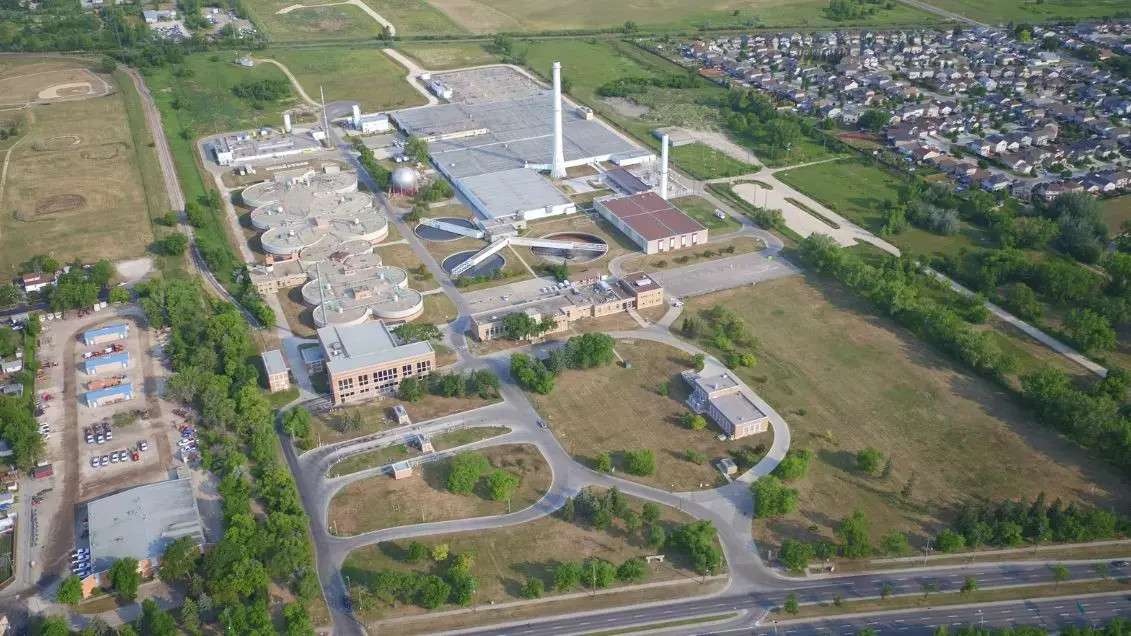
The Winnipeg Sewage Treatment Program demonstrates how strategic partnerships can help cities modernize critical infrastructure while improving environmental performance and managing long-term costs. Through a collaborative approach that maintains public ownership and operational control, Winnipeg is successfully navigating over $3 billion in mandated capital upgrades to its three aging sewage treatment plants, including the transformation of the North End Wastewater Treatment Plant —ranked among Water Canada's Top 50 Projects 2024. The program uses transparent financial models, shared risk management and access to specialized expertise to deliver major capital projects while maintaining ongoing operations and building internal capacity.
The Winnipeg model shows that municipalities that strategically leverage external expertise while building internal capabilities achieve strong outcomes and navigate complexity effectively.
The Value of Strategic Expertise
Municipalities that work with specialized advisors gain several advantages:
- Access to specialized knowledge - Advisors bring deep expertise in specific domains that would be impractical for any single city to maintain in-house
- Experience across jurisdictions - They've seen what works well in multiple cities, bringing proven methodologies and lessons learned
- Independent perspectives - External advisors can offer fresh viewpoints and facilitate difficult conversations in ways that support better decision-making
- Capacity augmentation - They provide surge capacity for major initiatives without permanent staffing increases
- Risk management - Their expertise helps cities make informed decisions on complex issues
Financial advisory services help cities develop sustainable funding models and navigate rate decisions that balance full-cost recovery with affordability. Asset management advisors guide municipalities through comprehensive programs that optimize infrastructure investment. Climate specialists support adaptation planning. Technology advisors help navigate digital transformation. Regulatory experts support compliance in complex environments.
These are practical responses to genuinely new challenges. When infrastructure decisions have 100-year implications, when climate projections require specialized interpretation, when regulations span multiple jurisdictions, when technology evolves rapidly and when workforce knowledge is transitioning, bringing in focused expertise is sound management.

The Path Forward
Canada's municipalities are at an important moment. The convergence of infrastructure, climate, regulatory, technology and workforce challenges will likely continue. The complexity may well keep increasing.
Cities have an opportunity to evolve their approach:
- Recognize that modern water system management benefits from specialized expertise across multiple domains
- View external advisors as strategic partners who complement and enhance internal capabilities
- Build ongoing advisory relationships rather than relying solely on project-based engagements
- Invest in both external expertise and internal capacity building
- Share knowledge and best practices across municipalities
The municipalities that will thrive in this environment are those that strategically leverage external expertise while continuing to develop internal capabilities. They view advisors not as substitutes for staff but as partners who bring specialized knowledge that enhances organizational capacity.
This approach recognizes reality: the job of managing modern water systems has become more complex, more specialized and carries greater long-term implications. No single organization can maintain cutting-edge expertise across every domain — from climate science to cybersecurity, from regulatory compliance to workforce development.
The five challenges reshaping how Canadian municipalities manage water systems aren't temporary disruptions. They represent the evolving nature of the work. How cities respond — whether they adapt their approach or try to handle everything internally — will influence which communities have reliable, affordable water service in the decades ahead.
The question isn't whether municipalities benefit from specialized expertise to navigate this complexity. It's how they'll access that expertise to serve their communities effectively and build systems that can handle whatever challenges come next.
Key Takeaways:
- The job has fundamentally changed - Managing water systems is no longer just technical operations; it now requires expertise spanning climate science, financial modeling, regulatory compliance, digital transformation and organizational development.
- All five challenges are hitting simultaneously - Cities can't address these challenges sequentially; infrastructure decisions must account for climate adaptation while meeting evolving regulations during workforce transitions and technology upgrades.
- Infrastructure decisions have 50-100 year implications - With billions needed for renewal, municipalities must make sophisticated, long-term decisions using risk assessment, lifecycle analysis and scenario modeling.
- Climate change is operational reality, not future threat - Events like Calgary's 2013 flood ($5-6B damage) and British Columbia's 2021 floods demonstrate that cities must plan for conditions outside historical patterns.
- Strategic partnerships are the new operating model - Leading municipalities now view specialized advisors as ongoing partners rather than one-time consultants, recognizing that no single organization can maintain cutting-edge expertise across every domain.
- The stakes directly affect residents - How well cities navigate this complexity determines water affordability, service reliability, infrastructure performance, community growth capacity and environmental outcomes.
- Success requires both external expertise and internal capacity - The most effective approach combines specialized advisory support with continued development of in-house capabilities, not replacing staff but enhancing organizational capacity.